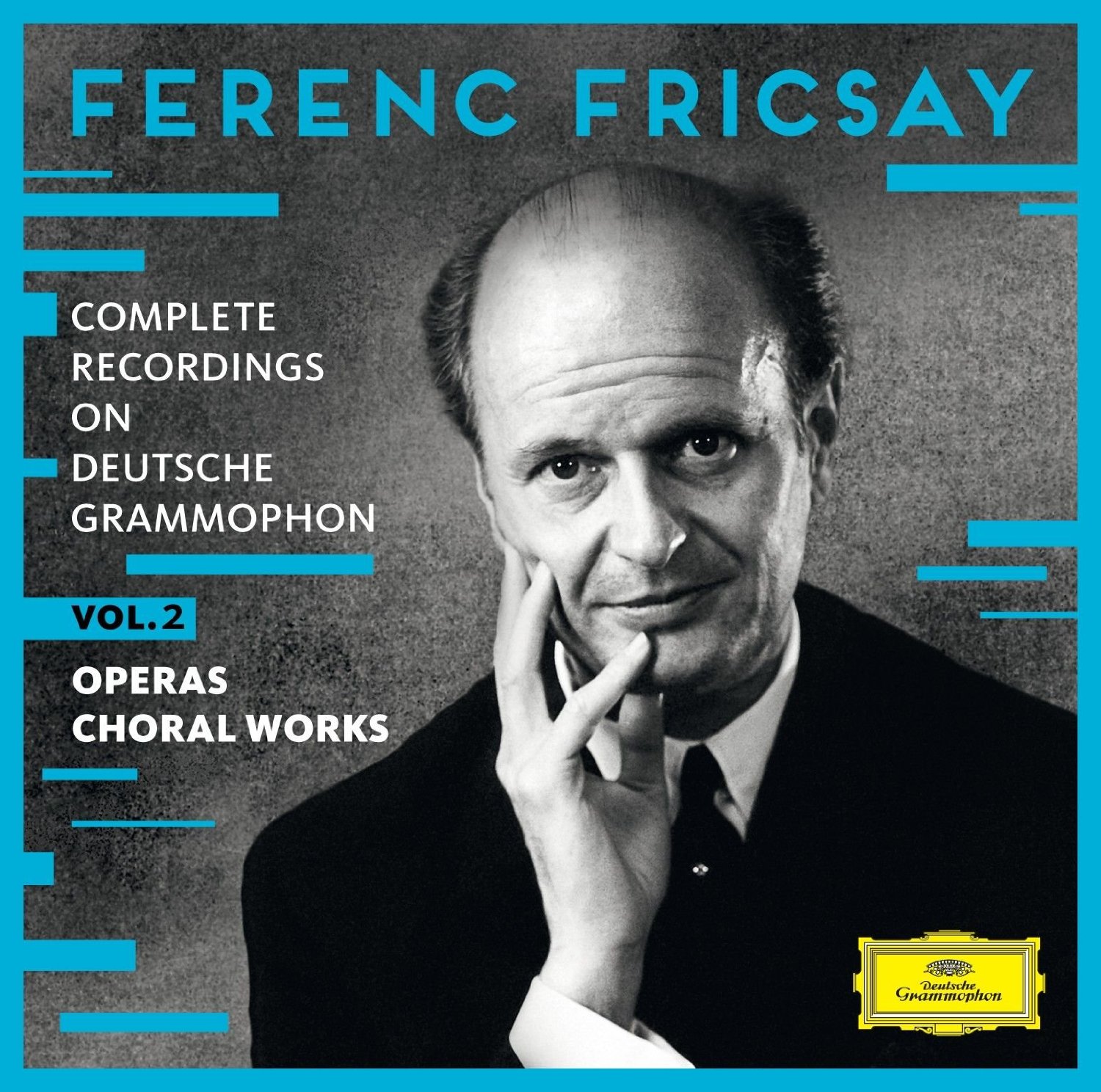
Tracklist

1CD: Bartók: Herzog Blaubarts Burg / Cantata profana
2CD: Beethoven: Fidelio(1)
3CD: Beethoven: Fidelio(2)
4CD: Bizet: Carmen
5CD: Gluck: Orpheus und Eurydike(1)
6CD: Gluck: Orpheus und Eurydike(2)
7CD: Haydn: The Seasons(1)
8CD: Haydn: The Seasons(2)
9CD: Haydn: The Seasons(3)
10CD: Haydn: The Seasons(4) / Haydn: Te Deum
11CD: Kodály: Psalmus Hungaricus
12CD: Mendelssohn: A Midsummer Night's Dream
13CD: Mozart: Great Mass in C minor / Laudate omnes gentes / Exsultate, jubilate
14CD: Mozart: Requiem
15CD: Mozart: Die Entführung aus dem Serail(1)
16CD: Mozart: Die Entführung aus dem Serail(2) / Exsultate, jubilate / Arias
17CD: Mozart: The Magic Flute(1)
18CD: Mozart: The Magic Flute(2)
19CD: Mozart: Don Giovanni(1)
20CD: Mozart: Don Giovanni(2)
21CD: Mozart: Don Giovanni(3)
22CD: Mozart: Idomeneo(1)
23CD: Mozart: Idomeneo(2)
24CD: Mozart: Le nozze di Figaro(1)
#TitleArtistRatingLength
1Le nozze di Figaro, K. 492: Sinfonia
executive producer:
Otto Gerdes (conductor and producer)
producer:
Hans Weber (producer/engineer)
orchestra:
Radio-Symphonie-Orchester Berlin (aka RIAS‐Symphonie‐Orchester, 1946–1956 / Radio‐Symphonie‐Orchester Berlin, 1956–1993) (from 1960-09-12 until 1960-09-22)
conductor:
Ferenc Fricsay (conductor) (from 1960-09-12 until 1960-09-22)
balance engineer:
Günter Hermanns (producer/engineer) (from 1960-09-12 until 1960-09-22) and Werner Wolf (engineer/producer) (from 1960-09-12 until 1960-09-22)
phonographic copyright (℗) by:
Polydor International GmbH (not for release label use!) (in 1961)
recorded at:
Jesus‐Christus‐Kirche (Dahlem) in Berlin, Germany (from 1960-09-12 until 1960-09-22)
recording of:
Le nozze di Figaro, K. 492: Sinfonia (from 1960-09-12 until 1960-09-22)
composer:
Wolfgang Amadeus Mozart (classical composer) (in 1786)
part of:
Die Hochzeit des Figaro (German translation)
part of:
Le nozze di Figaro, K. 492 (The Marriage of Figaro, K 492)
Wolfgang Amadeus Mozart4:27
2Le nozze di Figaro, K. 492: Atto primo, N. 1. Duettino: "Cinque... dieci... venti... trenta" (Figaro, Susanna)
executive producer:
Otto Gerdes (conductor and producer)
producer:
Hans Weber (producer/engineer)
bass vocals [Figaro, cameriere del Conte]:
Renato Capecchi (baritone) (from 1960-09-12 until 1960-09-22)
soprano vocals [Susanna, sua cameriera e promessa sposa di Figaro]:
Irmgard Seefried (soprano) (from 1960-09-12 until 1960-09-22)
orchestra:
Radio-Symphonie-Orchester Berlin (aka RIAS‐Symphonie‐Orchester, 1946–1956 / Radio‐Symphonie‐Orchester Berlin, 1956–1993) (from 1960-09-12 until 1960-09-22)
conductor:
Ferenc Fricsay (conductor) (from 1960-09-12 until 1960-09-22)
balance engineer:
Günter Hermanns (producer/engineer) (from 1960-09-12 until 1960-09-22) and Werner Wolf (engineer/producer) (from 1960-09-12 until 1960-09-22)
phonographic copyright (℗) by:
Polydor International GmbH (not for release label use!) (in 1961)
recorded at:
Jesus‐Christus‐Kirche (Dahlem) in Berlin, Germany (from 1960-09-12 until 1960-09-22)
recording of:
Le nozze di Figaro, K. 492: Atto I, Scena I. (no. 1) Duetto “Cinque… dieci… Venti… trenta…” (Figaro, Susanna) (from 1960-09-12 until 1960-09-22)
composer:
Wolfgang Amadeus Mozart (classical composer)
librettist:
Lorenzo Da Ponte
part of:
Le nozze di Figaro, K. 492: Atto I (The Marriage of Figaro, K. 492: Act I)
Wolfgang Amadeus Mozart2:42
3Le nozze di Figaro, K. 492: Atto primo. Recitativo: "Cosa stai misurando" (Susanna, Figaro)
executive producer:
Otto Gerdes (conductor and producer)
producer:
Hans Weber (producer/engineer)
bass vocals [Figaro, cameriere del Conte]:
Renato Capecchi (baritone) (from 1960-09-12 until 1960-09-22)
soprano vocals [Susanna, sua cameriera e promessa sposa di Figaro]:
Irmgard Seefried (soprano) (from 1960-09-12 until 1960-09-22)
orchestra:
Radio-Symphonie-Orchester Berlin (aka RIAS‐Symphonie‐Orchester, 1946–1956 / Radio‐Symphonie‐Orchester Berlin, 1956–1993) (from 1960-09-12 until 1960-09-22)
conductor:
Ferenc Fricsay (conductor) (from 1960-09-12 until 1960-09-22)
balance engineer:
Günter Hermanns (producer/engineer) (from 1960-09-12 until 1960-09-22) and Werner Wolf (engineer/producer) (from 1960-09-12 until 1960-09-22)
phonographic copyright (℗) by:
Polydor International GmbH (not for release label use!) (in 1961)
recorded at:
Jesus‐Christus‐Kirche (Dahlem) in Berlin, Germany (from 1960-09-12 until 1960-09-22)
recording of:
Le nozze di Figaro, K. 492: Atto I, Scena I. Recitativo “Cosa stai misurando” (Susanna, Figaro) (from 1960-09-12 until 1960-09-22)
composer:
Wolfgang Amadeus Mozart (classical composer)
librettist:
Lorenzo Da Ponte
part of:
Le nozze di Figaro, K. 492: Atto I (The Marriage of Figaro, K. 492: Act I)
Wolfgang Amadeus Mozart0:42
4Le nozze di Figaro, K. 492: Atto primo, N. 2. Duettino: "Se a caso Madama ia notte ti chiama" (Figaro, Susanna)
executive producer:
Otto Gerdes (conductor and producer)
producer:
Hans Weber (producer/engineer)
bass vocals [Figaro, cameriere del Conte]:
Renato Capecchi (baritone) (from 1960-09-12 until 1960-09-22)
soprano vocals [Susanna, sua cameriera e promessa sposa di Figaro]:
Irmgard Seefried (soprano) (from 1960-09-12 until 1960-09-22)
orchestra:
Radio-Symphonie-Orchester Berlin (aka RIAS‐Symphonie‐Orchester, 1946–1956 / Radio‐Symphonie‐Orchester Berlin, 1956–1993) (from 1960-09-12 until 1960-09-22)
conductor:
Ferenc Fricsay (conductor) (from 1960-09-12 until 1960-09-22)
balance engineer:
Günter Hermanns (producer/engineer) (from 1960-09-12 until 1960-09-22) and Werner Wolf (engineer/producer) (from 1960-09-12 until 1960-09-22)
phonographic copyright (℗) by:
Polydor International GmbH (not for release label use!) (in 1961)
recorded at:
Jesus‐Christus‐Kirche (Dahlem) in Berlin, Germany (from 1960-09-12 until 1960-09-22)
recording of:
Le nozze di Figaro, K. 492: Atto I, Scena I. (no. 2) Duettino “Se a caso madama la notte ti chiama” (Figaro, Susanna) (from 1960-09-12 until 1960-09-22)
composer:
Wolfgang Amadeus Mozart (classical composer)
librettist:
Lorenzo Da Ponte
part of:
Le nozze di Figaro, K. 492: Atto I (The Marriage of Figaro, K. 492: Act I)
Wolfgang Amadeus Mozart2:39
5Le nozze di Figaro, K. 492: Atto primo. Recitativo: "Or bene, ascolta, e taci" (Susanna, Figaro)
executive producer:
Otto Gerdes (conductor and producer)
producer:
Hans Weber (producer/engineer)
bass vocals [Figaro, cameriere del Conte]:
Renato Capecchi (baritone) (from 1960-09-12 until 1960-09-22)
soprano vocals [Susanna, sua cameriera e promessa sposa di Figaro]:
Irmgard Seefried (soprano) (from 1960-09-12 until 1960-09-22)
orchestra:
Radio-Symphonie-Orchester Berlin (aka RIAS‐Symphonie‐Orchester, 1946–1956 / Radio‐Symphonie‐Orchester Berlin, 1956–1993) (from 1960-09-12 until 1960-09-22)
conductor:
Ferenc Fricsay (conductor) (from 1960-09-12 until 1960-09-22)
balance engineer:
Günter Hermanns (producer/engineer) (from 1960-09-12 until 1960-09-22) and Werner Wolf (engineer/producer) (from 1960-09-12 until 1960-09-22)
phonographic copyright (℗) by:
Polydor International GmbH (not for release label use!) (in 1961)
recorded at:
Jesus‐Christus‐Kirche (Dahlem) in Berlin, Germany (from 1960-09-12 until 1960-09-22)
recording of:
Le nozze di Figaro, K. 492: Atto I, Scena II. Recitativo “Or bene, ascolta e taci!” (Figaro, Susanna) (from 1960-09-12 until 1960-09-22)
composer:
Wolfgang Amadeus Mozart (classical composer)
librettist:
Lorenzo Da Ponte
part of:
Le nozze di Figaro, K. 492: Atto I (The Marriage of Figaro, K. 492: Act I)
Wolfgang Amadeus Mozart2:34
6Le nozze di Figaro, K. 492: Atto primo, N. 3. Cavatina: "Se vuol ballare, signor Contino" (Figaro)
executive producer:
Otto Gerdes (conductor and producer)
producer:
Hans Weber (producer/engineer)
bass vocals [Figaro, cameriere del Conte]:
Renato Capecchi (baritone) (from 1960-09-12 until 1960-09-22)
orchestra:
Radio-Symphonie-Orchester Berlin (aka RIAS‐Symphonie‐Orchester, 1946–1956 / Radio‐Symphonie‐Orchester Berlin, 1956–1993) (from 1960-09-12 until 1960-09-22)
conductor:
Ferenc Fricsay (conductor) (from 1960-09-12 until 1960-09-22)
balance engineer:
Günter Hermanns (producer/engineer) (from 1960-09-12 until 1960-09-22) and Werner Wolf (engineer/producer) (from 1960-09-12 until 1960-09-22)
phonographic copyright (℗) by:
Polydor International GmbH (not for release label use!) (in 1961)
recorded at:
Jesus‐Christus‐Kirche (Dahlem) in Berlin, Germany (from 1960-09-12 until 1960-09-22)
recording of:
Le nozze di Figaro, K. 492: Atto I, Scena II. (no. 3) Cavatina “Se vuol ballare, signor Contino” (Figaro) (from 1960-09-12 until 1960-09-22)
composer:
Wolfgang Amadeus Mozart (classical composer)
librettist:
Lorenzo Da Ponte
part of:
Le nozze di Figaro, K. 492: Atto I (The Marriage of Figaro, K. 492: Act I)
Wolfgang Amadeus Mozart2:28
7Le nozze di Figaro, K. 492: Atto primo. Recitativo: "Ed aspettaste il giorno" (Bartolo, Marcellina)
executive producer:
Otto Gerdes (conductor and producer)
producer:
Hans Weber (producer/engineer)
bass vocals [Bartolo, medico di Siviglia]:
Ivan Sardi (operatic bass) (from 1960-09-12 until 1960-09-22)
contralto vocals [Marcellina, già governante a casa di Bartolo, ora ai servizio del Conte]:
Lilian Benningsen (austrian operatic mezzo-soprano and contralto) (from 1960-09-12 until 1960-09-22)
orchestra:
Radio-Symphonie-Orchester Berlin (aka RIAS‐Symphonie‐Orchester, 1946–1956 / Radio‐Symphonie‐Orchester Berlin, 1956–1993) (from 1960-09-12 until 1960-09-22)
conductor:
Ferenc Fricsay (conductor) (from 1960-09-12 until 1960-09-22)
balance engineer:
Günter Hermanns (producer/engineer) (from 1960-09-12 until 1960-09-22) and Werner Wolf (engineer/producer) (from 1960-09-12 until 1960-09-22)
phonographic copyright (℗) by:
Polydor International GmbH (not for release label use!) (in 1961)
recorded at:
Jesus‐Christus‐Kirche (Dahlem) in Berlin, Germany (from 1960-09-12 until 1960-09-22)
recording of:
Le nozze di Figaro, K. 492: Atto I, Scena III. Recitativo “Ed aspettaste il giorno fissato a le sue nozze” (Bartolo, Marcellina) (from 1960-09-12 until 1960-09-22)
composer:
Wolfgang Amadeus Mozart (classical composer)
librettist:
Lorenzo Da Ponte
part of:
Le nozze di Figaro, K. 492: Atto I (The Marriage of Figaro, K. 492: Act I)
Wolfgang Amadeus Mozart1:01
8Le nozze di Figaro, K. 492: Atto primo, N. 4. Aria: "La vendetta, oh, la vendetta" (Bartolo)
executive producer:
Otto Gerdes (conductor and producer)
producer:
Hans Weber (producer/engineer)
bass vocals [Bartolo, medico di Siviglia]:
Ivan Sardi (operatic bass) (from 1960-09-12 until 1960-09-22)
orchestra:
Radio-Symphonie-Orchester Berlin (aka RIAS‐Symphonie‐Orchester, 1946–1956 / Radio‐Symphonie‐Orchester Berlin, 1956–1993) (from 1960-09-12 until 1960-09-22)
conductor:
Ferenc Fricsay (conductor) (from 1960-09-12 until 1960-09-22)
balance engineer:
Günter Hermanns (producer/engineer) (from 1960-09-12 until 1960-09-22) and Werner Wolf (engineer/producer) (from 1960-09-12 until 1960-09-22)
phonographic copyright (℗) by:
Polydor International GmbH (not for release label use!) (in 1961)
recorded at:
Jesus‐Christus‐Kirche (Dahlem) in Berlin, Germany (from 1960-09-12 until 1960-09-22)
recording of:
Le nozze di Figaro, K. 492: Atto I, Scena III. (no. 4) Aria “La vendetta, oh, la vendetta” (Bartolo) (from 1960-09-12 until 1960-09-22)
composer:
Wolfgang Amadeus Mozart (classical composer)
librettist:
Lorenzo Da Ponte
part of:
Le nozze di Figaro, K. 492: Atto I (The Marriage of Figaro, K. 492: Act I)
Wolfgang Amadeus Mozart3:27
9Le nozze di Figaro, K. 492: Atto primo. Recitativo: "Tutto ancor non ho perso" (Marcellina, Susanna)
executive producer:
Otto Gerdes (conductor and producer)
producer:
Hans Weber (producer/engineer)
contralto vocals [Marcellina, già governante a casa di Bartolo, ora ai servizio del Conte]:
Lilian Benningsen (austrian operatic mezzo-soprano and contralto) (from 1960-09-12 until 1960-09-22)
soprano vocals [Susanna, sua cameriera e promessa sposa di Figaro]:
Irmgard Seefried (soprano) (from 1960-09-12 until 1960-09-22)
orchestra:
Radio-Symphonie-Orchester Berlin (aka RIAS‐Symphonie‐Orchester, 1946–1956 / Radio‐Symphonie‐Orchester Berlin, 1956–1993) (from 1960-09-12 until 1960-09-22)
conductor:
Ferenc Fricsay (conductor) (from 1960-09-12 until 1960-09-22)
balance engineer:
Günter Hermanns (producer/engineer) (from 1960-09-12 until 1960-09-22) and Werner Wolf (engineer/producer) (from 1960-09-12 until 1960-09-22)
phonographic copyright (℗) by:
Polydor International GmbH (not for release label use!) (in 1961)
recorded at:
Jesus‐Christus‐Kirche (Dahlem) in Berlin, Germany (from 1960-09-12 until 1960-09-22)
recording of:
Le nozze di Figaro, K. 492: Atto I, Scena IV. Recitativo “Tutto ancor non ho perso” (Marcellina, Susanna) (from 1960-09-12 until 1960-09-22)
composer:
Wolfgang Amadeus Mozart (classical composer)
librettist:
Lorenzo Da Ponte
part of:
Le nozze di Figaro, K. 492: Atto I (The Marriage of Figaro, K. 492: Act I)
Wolfgang Amadeus Mozart0:41
10Le nozze di Figaro, K. 492: Atto primo, N. 5. Duettino: "Via, resti servita" (Marcellina, Susanna)
executive producer:
Otto Gerdes (conductor and producer)
producer:
Hans Weber (producer/engineer)
contralto vocals [Marcellina, già governante a casa di Bartolo, ora ai servizio del Conte]:
Lilian Benningsen (austrian operatic mezzo-soprano and contralto) (from 1960-09-12 until 1960-09-22)
soprano vocals [Susanna, sua cameriera e promessa sposa di Figaro]:
Irmgard Seefried (soprano) (from 1960-09-12 until 1960-09-22)
orchestra:
Radio-Symphonie-Orchester Berlin (aka RIAS‐Symphonie‐Orchester, 1946–1956 / Radio‐Symphonie‐Orchester Berlin, 1956–1993) (from 1960-09-12 until 1960-09-22)
conductor:
Ferenc Fricsay (conductor) (from 1960-09-12 until 1960-09-22)
balance engineer:
Günter Hermanns (producer/engineer) (from 1960-09-12 until 1960-09-22) and Werner Wolf (engineer/producer) (from 1960-09-12 until 1960-09-22)
phonographic copyright (℗) by:
Polydor International GmbH (not for release label use!) (in 1961)
recorded at:
Jesus‐Christus‐Kirche (Dahlem) in Berlin, Germany (from 1960-09-12 until 1960-09-22)
recording of:
Le nozze di Figaro, K. 492: Atto I, Scena IV. (no. 5) Duettino “Via, resti servita, madama brillante” (Marcellina, Susanna) (from 1960-09-12 until 1960-09-22)
composer:
Wolfgang Amadeus Mozart (classical composer)
librettist:
Lorenzo Da Ponte
part of:
Le nozze di Figaro, K. 492: Atto I (The Marriage of Figaro, K. 492: Act I)
Wolfgang Amadeus Mozart2:10
11Le nozze di Figaro, K. 492: Atto primo. Recitativo: "Va' là, vecchia pedante" (Susanna, Cherubino)
executive producer:
Otto Gerdes (conductor and producer)
producer:
Hans Weber (producer/engineer)
mezzo-soprano vocals [Cherubino, paggio del Conte]:
Hertha Töpper (mezzo soprano) (from 1960-09-12 until 1960-09-22)
soprano vocals [Susanna, sua cameriera e promessa sposa di Figaro]:
Irmgard Seefried (soprano) (from 1960-09-12 until 1960-09-22)
orchestra:
Radio-Symphonie-Orchester Berlin (aka RIAS‐Symphonie‐Orchester, 1946–1956 / Radio‐Symphonie‐Orchester Berlin, 1956–1993) (from 1960-09-12 until 1960-09-22)
conductor:
Ferenc Fricsay (conductor) (from 1960-09-12 until 1960-09-22)
balance engineer:
Günter Hermanns (producer/engineer) (from 1960-09-12 until 1960-09-22) and Werner Wolf (engineer/producer) (from 1960-09-12 until 1960-09-22)
phonographic copyright (℗) by:
Polydor International GmbH (not for release label use!) (in 1961)
recorded at:
Jesus‐Christus‐Kirche (Dahlem) in Berlin, Germany (from 1960-09-12 until 1960-09-22)
recording of:
Le nozze di Figaro, K. 492: Atto I, Scena V. Recitativo “Va là, vecchia pedante” (Cherubino, Susanna) (from 1960-09-12 until 1960-09-22)
composer:
Wolfgang Amadeus Mozart (classical composer)
part of:
Le nozze di Figaro, K. 492: Atto I (The Marriage of Figaro, K. 492: Act I)
Wolfgang Amadeus Mozart1:46
12Le nozze di Figaro, K. 492: Atto primo, N. 6. Aria: "Non so più cosa son, cosa faccio" (Cherubino)
executive producer:
Otto Gerdes (conductor and producer)
producer:
Hans Weber (producer/engineer)
mezzo-soprano vocals [Cherubino, paggio del Conte]:
Hertha Töpper (mezzo soprano) (from 1960-09-12 until 1960-09-22)
orchestra:
Radio-Symphonie-Orchester Berlin (aka RIAS‐Symphonie‐Orchester, 1946–1956 / Radio‐Symphonie‐Orchester Berlin, 1956–1993) (from 1960-09-12 until 1960-09-22)
conductor:
Ferenc Fricsay (conductor) (from 1960-09-12 until 1960-09-22)
balance engineer:
Günter Hermanns (producer/engineer) (from 1960-09-12 until 1960-09-22) and Werner Wolf (engineer/producer) (from 1960-09-12 until 1960-09-22)
phonographic copyright (℗) by:
Polydor International GmbH (not for release label use!) (in 1961)
recorded at:
Jesus‐Christus‐Kirche (Dahlem) in Berlin, Germany (from 1960-09-12 until 1960-09-22)
recording of:
Le nozze di Figaro, K. 492: Atto I, Scena V. (no. 6) Aria “Non so più cosa son, cosa faccio” (Cherubino) (from 1960-09-12 until 1960-09-22)
composer:
Wolfgang Amadeus Mozart (classical composer)
librettist:
Lorenzo Da Ponte
part of:
Le nozze di Figaro, K. 492: Atto I (The Marriage of Figaro, K. 492: Act I)
Wolfgang Amadeus Mozart2:58
13Le nozze di Figaro, K. 492: Atto primo. Recitativo: "Son perduto!" (Cherubino, Susanna, Conte, Basilio)
executive producer:
Otto Gerdes (conductor and producer)
producer:
Hans Weber (producer/engineer)
baritone vocals [Il Conte di Almaviva]:
Dietrich Fischer‐Dieskau (baritone) (from 1960-09-12 until 1960-09-22)
mezzo-soprano vocals [Cherubino, paggio del Conte]:
Hertha Töpper (mezzo soprano) (from 1960-09-12 until 1960-09-22)
soprano vocals [Susanna, sua cameriera e promessa sposa di Figaro]:
Irmgard Seefried (soprano) (from 1960-09-12 until 1960-09-22)
tenor vocals [Basilio, maestro di musica]:
Paul Kuën (tenor) (from 1960-09-12 until 1960-09-22)
orchestra:
Radio-Symphonie-Orchester Berlin (aka RIAS‐Symphonie‐Orchester, 1946–1956 / Radio‐Symphonie‐Orchester Berlin, 1956–1993) (from 1960-09-12 until 1960-09-22)
conductor:
Ferenc Fricsay (conductor) (from 1960-09-12 until 1960-09-22)
balance engineer:
Günter Hermanns (producer/engineer) (from 1960-09-12 until 1960-09-22) and Werner Wolf (engineer/producer) (from 1960-09-12 until 1960-09-22)
phonographic copyright (℗) by:
Polydor International GmbH (not for release label use!) (in 1961)
recorded at:
Jesus‐Christus‐Kirche (Dahlem) in Berlin, Germany (from 1960-09-12 until 1960-09-22)
recording of:
Le nozze di Figaro, K. 492: Atto I, Scena VI. Recitativo “Ah, son perduto!” (Cherubino, Susanna, Il Conte, Basilio) (from 1960-09-12 until 1960-09-22)
composer:
Wolfgang Amadeus Mozart (classical composer)
librettist:
Lorenzo Da Ponte
part of:
Le nozze di Figaro, K. 492: Atto I (The Marriage of Figaro, K. 492: Act I)
Wolfgang Amadeus Mozart3:12
14Le nozze di Figaro, K. 492: Atto primo, N. 7. Terzetto: "Cosa sento! tosto andate" (Conte, Basilio, Susanna)
executive producer:
Otto Gerdes (conductor and producer)
producer:
Hans Weber (producer/engineer)
baritone vocals [Il Conte di Almaviva]:
Dietrich Fischer‐Dieskau (baritone) (from 1960-09-12 until 1960-09-22)
soprano vocals [Susanna, sua cameriera e promessa sposa di Figaro]:
Irmgard Seefried (soprano) (from 1960-09-12 until 1960-09-22)
tenor vocals [Basilio, maestro di musica]:
Paul Kuën (tenor) (from 1960-09-12 until 1960-09-22)
orchestra:
Radio-Symphonie-Orchester Berlin (aka RIAS‐Symphonie‐Orchester, 1946–1956 / Radio‐Symphonie‐Orchester Berlin, 1956–1993) (from 1960-09-12 until 1960-09-22)
conductor:
Ferenc Fricsay (conductor) (from 1960-09-12 until 1960-09-22)
balance engineer:
Günter Hermanns (producer/engineer) (from 1960-09-12 until 1960-09-22) and Werner Wolf (engineer/producer) (from 1960-09-12 until 1960-09-22)
phonographic copyright (℗) by:
Polydor International GmbH (not for release label use!) (in 1961)
recorded at:
Jesus‐Christus‐Kirche (Dahlem) in Berlin, Germany (from 1960-09-12 until 1960-09-22)
recording of:
Le nozze di Figaro, K. 492: Atto I, Scena VII. (no. 7) Terzetto “Cosa sento! tosto andante” (Il Conte, Basilio, Susanna) (from 1960-09-12 until 1960-09-22)
composer:
Wolfgang Amadeus Mozart (classical composer)
part of:
Le nozze di Figaro, K. 492: Atto I (The Marriage of Figaro, K. 492: Act I)
Wolfgang Amadeus Mozart4:17
15Le nozze di Figaro, K. 492: Atto primo. Recitativo: "Basilio, in traccia tosto di Figaro" (Conte, Susanna, Cherubino, Basilio)
executive producer:
Otto Gerdes (conductor and producer)
producer:
Hans Weber (producer/engineer)
baritone vocals [Il Conte di Almaviva]:
Dietrich Fischer‐Dieskau (baritone) (from 1960-09-12 until 1960-09-22)
mezzo-soprano vocals [Cherubino, paggio del Conte]:
Hertha Töpper (mezzo soprano) (from 1960-09-12 until 1960-09-22)
soprano vocals [Susanna, sua cameriera e promessa sposa di Figaro]:
Irmgard Seefried (soprano) (from 1960-09-12 until 1960-09-22)
tenor vocals [Basilio, maestro di musica]:
Paul Kuën (tenor) (from 1960-09-12 until 1960-09-22)
orchestra:
Radio-Symphonie-Orchester Berlin (aka RIAS‐Symphonie‐Orchester, 1946–1956 / Radio‐Symphonie‐Orchester Berlin, 1956–1993) (from 1960-09-12 until 1960-09-22)
conductor:
Ferenc Fricsay (conductor) (from 1960-09-12 until 1960-09-22)
balance engineer:
Günter Hermanns (producer/engineer) (from 1960-09-12 until 1960-09-22) and Werner Wolf (engineer/producer) (from 1960-09-12 until 1960-09-22)
phonographic copyright (℗) by:
Polydor International GmbH (not for release label use!) (in 1961)
recorded at:
Jesus‐Christus‐Kirche (Dahlem) in Berlin, Germany (from 1960-09-12 until 1960-09-22)
recording of:
Le nozze di Figaro, K. 492: Atto I, Scena VII. Recitativo “Basilio, in traccia tosto di Figaro volate” (Il Conte, Susanna, Cherubino, Basilio) (from 1960-09-12 until 1960-09-22)
composer:
Wolfgang Amadeus Mozart (classical composer)
librettist:
Lorenzo Da Ponte
part of:
Le nozze di Figaro, K. 492: Atto I (The Marriage of Figaro, K. 492: Act I)
Wolfgang Amadeus Mozart1:00
16Le nozze di Figaro, K. 492: Atto primo, N. 8. Coro: "Giovani liete, fiori spargete" (contadine, contadini)
executive producer:
Otto Gerdes (conductor and producer)
producer:
Hans Weber (producer/engineer)
choir vocals:
RIAS-Kammerchor (German chamber choir) (from 1960-09-12 until 1960-09-22)
mezzo-soprano vocals [contadina]:
Hertha Töpper (mezzo soprano) (from 1960-09-12 until 1960-09-22)
soprano vocals [contadina]:
Rosl Schwaiger (soprano) (from 1960-09-12 until 1960-09-22)
orchestra:
Radio-Symphonie-Orchester Berlin (aka RIAS‐Symphonie‐Orchester, 1946–1956 / Radio‐Symphonie‐Orchester Berlin, 1956–1993) (from 1960-09-12 until 1960-09-22)
conductor:
Ferenc Fricsay (conductor) (from 1960-09-12 until 1960-09-22)
chorus master:
Günther Arndt (choral conductor)
balance engineer:
Günter Hermanns (producer/engineer) (from 1960-09-12 until 1960-09-22) and Werner Wolf (engineer/producer) (from 1960-09-12 until 1960-09-22)
phonographic copyright (℗) by:
Polydor International GmbH (not for release label use!) (in 1961)
recorded at:
Jesus‐Christus‐Kirche (Dahlem) in Berlin, Germany (from 1960-09-12 until 1960-09-22)
recording of:
Le nozze di Figaro, K. 492: Atto I, Scena VIII. (no. 8) Coro “Giovani liete, fiori spargete” (Coro) (from 1960-09-12 until 1960-09-22)
composer:
Wolfgang Amadeus Mozart (classical composer)
part of:
Le nozze di Figaro, K. 492: Atto I (The Marriage of Figaro, K. 492: Act I)
Wolfgang Amadeus Mozart1:13
17Le nozze di Figaro, K. 492: Atto primo. Recitativo: "Cos'è questa commedia?" (Conte, Figari, Susanna)
executive producer:
Otto Gerdes (conductor and producer)
producer:
Hans Weber (producer/engineer)
baritone vocals [Il Conte di Almaviva]:
Dietrich Fischer‐Dieskau (baritone) (from 1960-09-12 until 1960-09-22)
bass vocals [Figaro, cameriere del Conte]:
Renato Capecchi (baritone) (from 1960-09-12 until 1960-09-22)
soprano vocals [Susanna, sua cameriera e promessa sposa di Figaro]:
Irmgard Seefried (soprano) (from 1960-09-12 until 1960-09-22)
orchestra:
Radio-Symphonie-Orchester Berlin (aka RIAS‐Symphonie‐Orchester, 1946–1956 / Radio‐Symphonie‐Orchester Berlin, 1956–1993) (from 1960-09-12 until 1960-09-22)
conductor:
Ferenc Fricsay (conductor) (from 1960-09-12 until 1960-09-22)
balance engineer:
Günter Hermanns (producer/engineer) (from 1960-09-12 until 1960-09-22) and Werner Wolf (engineer/producer) (from 1960-09-12 until 1960-09-22)
phonographic copyright (℗) by:
Polydor International GmbH (not for release label use!) (in 1961)
recorded at:
Jesus‐Christus‐Kirche (Dahlem) in Berlin, Germany (from 1960-09-12 until 1960-09-22)
recording of:
Le nozze di Figaro, K. 492: Atto I, Scena VIII. Recitativo “Cos’è questa commedia?” (Il Conte, Figaro, Susanna) (from 1960-09-12 until 1960-09-22)
composer:
Wolfgang Amadeus Mozart (classical composer)
part of:
Le nozze di Figaro, K. 492: Atto I (The Marriage of Figaro, K. 492: Act I)
Wolfgang Amadeus Mozart1:25
18Le nozze di Figaro, K. 492: Atto primo, N. 9. Coro: "Giovani liete, fiori spargete" (contadine, contadini)
executive producer:
Otto Gerdes (conductor and producer)
producer:
Hans Weber (producer/engineer)
choir vocals:
RIAS-Kammerchor (German chamber choir) (from 1960-09-12 until 1960-09-22)
mezzo-soprano vocals [contadina]:
Hertha Töpper (mezzo soprano) (from 1960-09-12 until 1960-09-22)
soprano vocals [contadina]:
Rosl Schwaiger (soprano) (from 1960-09-12 until 1960-09-22)
orchestra:
Radio-Symphonie-Orchester Berlin (aka RIAS‐Symphonie‐Orchester, 1946–1956 / Radio‐Symphonie‐Orchester Berlin, 1956–1993) (from 1960-09-12 until 1960-09-22)
conductor:
Ferenc Fricsay (conductor) (from 1960-09-12 until 1960-09-22)
chorus master:
Günther Arndt (choral conductor)
balance engineer:
Günter Hermanns (producer/engineer) (from 1960-09-12 until 1960-09-22) and Werner Wolf (engineer/producer) (from 1960-09-12 until 1960-09-22)
phonographic copyright (℗) by:
Polydor International GmbH (not for release label use!) (in 1961)
recorded at:
Jesus‐Christus‐Kirche (Dahlem) in Berlin, Germany (from 1960-09-12 until 1960-09-22)
recording of:
Le nozze di Figaro, K. 492: Atto I, Scena VIII. (no. 8) Coro “Giovani liete, fiori spargete” (Coro) (from 1960-09-12 until 1960-09-22)
composer:
Wolfgang Amadeus Mozart (classical composer)
part of:
Le nozze di Figaro, K. 492: Atto I (The Marriage of Figaro, K. 492: Act I)
Wolfgang Amadeus Mozart1:08
19Le nozze di Figaro, K. 492: Atto primo. Recitativo: "Evviva! ... E voi non applaudite?" (Figaro, Susanna, Basilio, Cherubino, Conte)
executive producer:
Otto Gerdes (conductor and producer)
producer:
Hans Weber (producer/engineer)
baritone vocals [Il Conte di Almaviva]:
Dietrich Fischer‐Dieskau (baritone) (from 1960-09-12 until 1960-09-22)
bass vocals [Figaro, cameriere del Conte]:
Renato Capecchi (baritone) (from 1960-09-12 until 1960-09-22)
mezzo-soprano vocals [Cherubino, paggio del Conte]:
Hertha Töpper (mezzo soprano) (from 1960-09-12 until 1960-09-22)
soprano vocals [Susanna, sua cameriera e promessa sposa di Figaro]:
Irmgard Seefried (soprano) (from 1960-09-12 until 1960-09-22)
tenor vocals [Basilio, maestro di musica]:
Paul Kuën (tenor) (from 1960-09-12 until 1960-09-22)
orchestra:
Radio-Symphonie-Orchester Berlin (aka RIAS‐Symphonie‐Orchester, 1946–1956 / Radio‐Symphonie‐Orchester Berlin, 1956–1993) (from 1960-09-12 until 1960-09-22)
conductor:
Ferenc Fricsay (conductor) (from 1960-09-12 until 1960-09-22)
balance engineer:
Günter Hermanns (producer/engineer) (from 1960-09-12 until 1960-09-22) and Werner Wolf (engineer/producer) (from 1960-09-12 until 1960-09-22)
phonographic copyright (℗) by:
Polydor International GmbH (not for release label use!) (in 1961)
recorded at:
Jesus‐Christus‐Kirche (Dahlem) in Berlin, Germany (from 1960-09-12 until 1960-09-22)
recording of:
Le nozze di Figaro, K. 492: Atto I, Scena VIII. Recitativo “Evviva!” (Figaro, Susanna, Basilio, Cherubino, Il Conte) (from 1960-09-12 until 1960-09-22)
composer:
Wolfgang Amadeus Mozart (classical composer)
part of:
Le nozze di Figaro, K. 492: Atto I (The Marriage of Figaro, K. 492: Act I)
Wolfgang Amadeus Mozart1:14
20Le nozze di Figaro, K. 492: Atto primo, N. 10. Aria: "Non più andrai, farfallone amoroso" (Figaro)
executive producer:
Otto Gerdes (conductor and producer)
producer:
Hans Weber (producer/engineer)
bass vocals [Figaro, cameriere del Conte]:
Renato Capecchi (baritone) (from 1960-09-12 until 1960-09-22)
orchestra:
Radio-Symphonie-Orchester Berlin (aka RIAS‐Symphonie‐Orchester, 1946–1956 / Radio‐Symphonie‐Orchester Berlin, 1956–1993) (from 1960-09-12 until 1960-09-22)
conductor:
Ferenc Fricsay (conductor) (from 1960-09-12 until 1960-09-22)
balance engineer:
Günter Hermanns (producer/engineer) (from 1960-09-12 until 1960-09-22) and Werner Wolf (engineer/producer) (from 1960-09-12 until 1960-09-22)
phonographic copyright (℗) by:
Polydor International GmbH (not for release label use!) (in 1961)
recorded at:
Jesus‐Christus‐Kirche (Dahlem) in Berlin, Germany (from 1960-09-12 until 1960-09-22)
recording of:
Le nozze di Figaro, K. 492: Atto I, Scena VIII. (no. 10) Aria “Non più andrai, farfallone amoroso” (Figaro) (from 1960-09-12 until 1960-09-22)
composer:
Wolfgang Amadeus Mozart (classical composer)
librettist:
Lorenzo Da Ponte
part of:
Le nozze di Figaro, K. 492: Atto I (The Marriage of Figaro, K. 492: Act I)
Wolfgang Amadeus Mozart3:45
21Le nozze di Figaro, K. 492: Atto secondo, N. 11. Cavatina: "Porgi, amor, qualche ristoro" (Contessa)
executive producer:
Otto Gerdes (conductor and producer)
producer:
Hans Weber (producer/engineer)
soprano vocals [La Contessa di Almaviva]:
Maria Stader (soprano) (from 1960-09-12 until 1960-09-22)
orchestra:
Radio-Symphonie-Orchester Berlin (aka RIAS‐Symphonie‐Orchester, 1946–1956 / Radio‐Symphonie‐Orchester Berlin, 1956–1993) (from 1960-09-12 until 1960-09-22)
conductor:
Ferenc Fricsay (conductor) (from 1960-09-12 until 1960-09-22)
balance engineer:
Günter Hermanns (producer/engineer) (from 1960-09-12 until 1960-09-22) and Werner Wolf (engineer/producer) (from 1960-09-12 until 1960-09-22)
phonographic copyright (℗) by:
Polydor International GmbH (not for release label use!) (in 1961)
recorded at:
Jesus‐Christus‐Kirche (Dahlem) in Berlin, Germany (from 1960-09-12 until 1960-09-22)
recording of:
Le nozze di Figaro, K. 492: Atto II, Scena I. (no. 11) Cavatina “Porgi, amor qualche ristoro” (La Contessa) (from 1960-09-12 until 1960-09-22)
composer:
Wolfgang Amadeus Mozart (classical composer)
librettist:
Lorenzo Da Ponte
part of:
Le nozze di Figaro, K. 492: Atto II (The Marriage of Figaro, K. 492: Act II)
Wolfgang Amadeus Mozart3:44
22Le nozze di Figaro, K. 492: Atto secondo. Recitativo: "Vieni, cara Susanna" (Contessa, Susanna, Figaro)
executive producer:
Otto Gerdes (conductor and producer)
producer:
Hans Weber (producer/engineer)
bass vocals [Figaro, cameriere del Conte]:
Renato Capecchi (baritone) (from 1960-09-12 until 1960-09-22)
soprano vocals [La Contessa di Almaviva]:
Maria Stader (soprano) (from 1960-09-12 until 1960-09-22)
soprano vocals [Susanna, sua cameriera e promessa sposa di Figaro]:
Irmgard Seefried (soprano) (from 1960-09-12 until 1960-09-22)
orchestra:
Radio-Symphonie-Orchester Berlin (aka RIAS‐Symphonie‐Orchester, 1946–1956 / Radio‐Symphonie‐Orchester Berlin, 1956–1993) (from 1960-09-12 until 1960-09-22)
conductor:
Ferenc Fricsay (conductor) (from 1960-09-12 until 1960-09-22)
balance engineer:
Günter Hermanns (producer/engineer) (from 1960-09-12 until 1960-09-22) and Werner Wolf (engineer/producer) (from 1960-09-12 until 1960-09-22)
phonographic copyright (℗) by:
Polydor International GmbH (not for release label use!) (in 1961)
recorded at:
Jesus‐Christus‐Kirche (Dahlem) in Berlin, Germany (from 1960-09-12 until 1960-09-22)
recording of:
Le nozze di Figaro, K. 492: Atto II, Scena I. Recitativo “Vieni, cara Susanna” (La Contessa, Susanna, Figaro) (from 1960-09-12 until 1960-09-22)
composer:
Wolfgang Amadeus Mozart (classical composer)
part of:
Le nozze di Figaro, K. 492: Atto II (The Marriage of Figaro, K. 492: Act II)
Wolfgang Amadeus Mozart3:23
23Le nozze di Figaro, K. 492: Atto secondo. "Quanto duolmi, Susanna" (Contessa, Susanna, Cherubino)
executive producer:
Otto Gerdes (conductor and producer)
producer:
Hans Weber (producer/engineer)
mezzo-soprano vocals [Cherubino, paggio del Conte]:
Hertha Töpper (mezzo soprano) (from 1960-09-12 until 1960-09-22)
soprano vocals [La Contessa di Almaviva]:
Maria Stader (soprano) (from 1960-09-12 until 1960-09-22)
soprano vocals [Susanna, sua cameriera e promessa sposa di Figaro]:
Irmgard Seefried (soprano) (from 1960-09-12 until 1960-09-22)
orchestra:
Radio-Symphonie-Orchester Berlin (aka RIAS‐Symphonie‐Orchester, 1946–1956 / Radio‐Symphonie‐Orchester Berlin, 1956–1993) (from 1960-09-12 until 1960-09-22)
conductor:
Ferenc Fricsay (conductor) (from 1960-09-12 until 1960-09-22)
balance engineer:
Günter Hermanns (producer/engineer) (from 1960-09-12 until 1960-09-22) and Werner Wolf (engineer/producer) (from 1960-09-12 until 1960-09-22)
phonographic copyright (℗) by:
Polydor International GmbH (not for release label use!) (in 1961)
recorded at:
Jesus‐Christus‐Kirche (Dahlem) in Berlin, Germany (from 1960-09-12 until 1960-09-22)
recording of:
Le nozze di Figaro, K. 492: Atto II, Scena II. Recitativo “Quanto duolmi, Susanna” (La Contessa, Susanna, Cherubino) (from 1960-09-12 until 1960-09-22)
composer:
Wolfgang Amadeus Mozart (classical composer)
librettist:
Lorenzo Da Ponte
part of:
Le nozze di Figaro, K. 492: Atto II (The Marriage of Figaro, K. 492: Act II)
Wolfgang Amadeus Mozart1:14
24Le nozze di Figaro, K. 492: Atto secondo, N. 12. Arietta: "Voi che sapete che cosa è amor" (Cherubino)
executive producer:
Otto Gerdes (conductor and producer)
producer:
Hans Weber (producer/engineer)
mezzo-soprano vocals [Cherubino, paggio del Conte]:
Hertha Töpper (mezzo soprano) (from 1960-09-12 until 1960-09-22)
orchestra:
Radio-Symphonie-Orchester Berlin (aka RIAS‐Symphonie‐Orchester, 1946–1956 / Radio‐Symphonie‐Orchester Berlin, 1956–1993) (from 1960-09-12 until 1960-09-22)
conductor:
Ferenc Fricsay (conductor) (from 1960-09-12 until 1960-09-22)
balance engineer:
Günter Hermanns (producer/engineer) (from 1960-09-12 until 1960-09-22) and Werner Wolf (engineer/producer) (from 1960-09-12 until 1960-09-22)
phonographic copyright (℗) by:
Polydor International GmbH (not for release label use!) (in 1961)
recorded at:
Jesus‐Christus‐Kirche (Dahlem) in Berlin, Germany (from 1960-09-12 until 1960-09-22)
recording of:
Le nozze di Figaro, K. 492: Atto II, Scena II. (no. 12) Canzona “Voi che sapete che cosa è amor” (Cherubino) (from 1960-09-12 until 1960-09-22)
composer:
Wolfgang Amadeus Mozart (classical composer) (in 1786)
librettist:
Lorenzo Da Ponte
part of:
Le nozze di Figaro, K. 492: Atto II (The Marriage of Figaro, K. 492: Act II)
Wolfgang Amadeus Mozart2:52
25CD: Mozart: Le nozze di Figaro(2)
26CD: Mozart: Le nozze di Figaro(3)
27CD: Rossini: Stabat Mater
28CD: J. Strauss II: Die Fledermaus(1)
29CD: J. Strauss II: Die Fledermaus(2) / Voices of Spring
30CD: Igor Stravinsky: Oedipus Rex / Symphony of Psalms
31CD: Verdi: Requiem(1)
32CD: Verdi: Requiem(2)
33CD: Verdi: Requiem(3) / Quattro pezzi sacri
34CD: Wagner: Der fliegende Holländer(1)
35CD: Wagner: Der fliegende Holländer(2)
36CD: Bizet, Gounod, Verdi...:Opera Arias / Orff: Carmina Burana(excerpts)
37CD: Interviews with Ferenc Fricsay
38DVD-Video: Dukas: The Sorcerer's Apprentice / Kodály: Háry János Suite

Credits

Release

manufactured in:EU (Europe)
photography:Erich Auerbach (photographer) (task: box photo left side © Erich Auerbach)
Hugo Jehle (photographer) (task: box photo right side © Hugo Jehle)
Legrand (photo studio) (task: box cover photo © Legrand)
phonographic copyright (℗) by:Deutsche Grammophon GmbH (this is the company; for release labels, use “Deutsche Grammophon”) (in 2015)
Discogs:https://www.discogs.com/release/11744322 [info]
ASIN:UK: B00W6ET93W [info]
discography entry:http://www.deutschegrammophon.com/en/cat/4794641 [info]