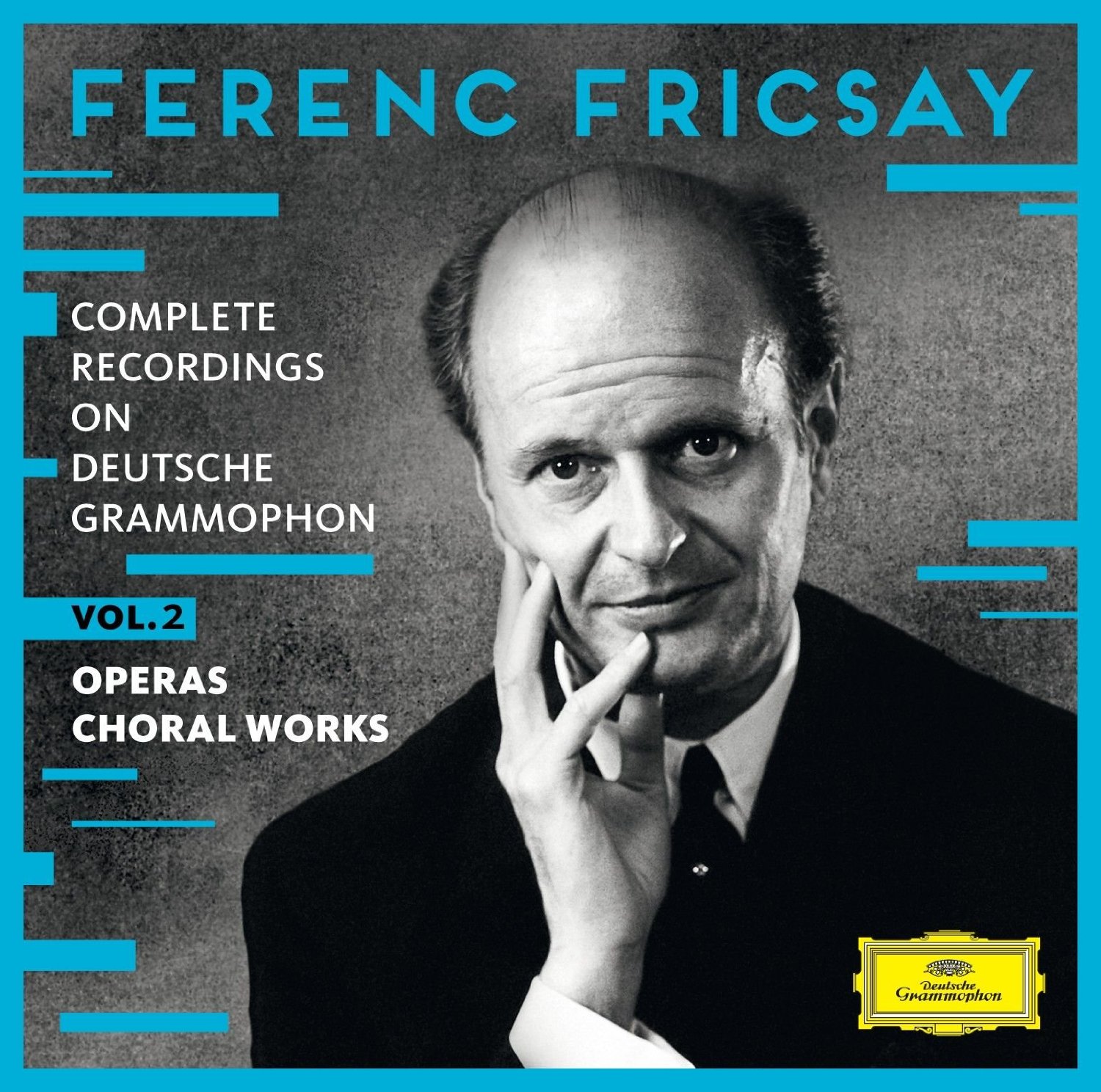
Tracklist

1CD: Bartók: Herzog Blaubarts Burg / Cantata profana
2CD: Beethoven: Fidelio(1)
3CD: Beethoven: Fidelio(2)
4CD: Bizet: Carmen
5CD: Gluck: Orpheus und Eurydike(1)
6CD: Gluck: Orpheus und Eurydike(2)
7CD: Haydn: The Seasons(1)
8CD: Haydn: The Seasons(2)
9CD: Haydn: The Seasons(3)
10CD: Haydn: The Seasons(4) / Haydn: Te Deum
11CD: Kodály: Psalmus Hungaricus
12CD: Mendelssohn: A Midsummer Night's Dream
13CD: Mozart: Great Mass in C minor / Laudate omnes gentes / Exsultate, jubilate
#TitleArtistRatingLength
1Great Mass in C minor, K. 427: I. Kyrie. Andante moderato
executive producer:
Prof. Elsa Schiller (Deutsche Grammophon's head of production 1952-1965)
producer:
Otto Gerdes (conductor and producer)
bass vocals:
Ivan Sardi (operatic bass) (from 1959-09-30 until 1959-10-10)
choir vocals:
Chor der St. Hedwigs‐Kathedrale Berlin (from 1959-09-30 until 1959-10-10)
soprano vocals [soprano I]:
Maria Stader (soprano) (from 1959-09-30 until 1959-10-10)
soprano vocals [soprano II]:
Hertha Töpper (mezzo soprano) (from 1959-09-30 until 1959-10-10)
tenor vocals:
Ernst Haefliger (tenor) (from 1959-09-30 until 1959-10-10)
orchestra:
Radio-Symphonie-Orchester Berlin (aka RIAS‐Symphonie‐Orchester, 1946–1956 / Radio‐Symphonie‐Orchester Berlin, 1956–1993) (from 1959-09-30 until 1959-10-10)
conductor:
Ferenc Fricsay (conductor) (from 1959-09-30 until 1959-10-10)
chorus master:
Karl Forster (chorus master/conductor) (from 1959-09-30 until 1959-10-10)
balance engineer:
Werner Wolf (engineer/producer) (from 1959-09-30 until 1959-10-10)
phonographic copyright (℗) by:
Polydor International GmbH (not for release label use!) (in 1960)
recorded at:
Haus des Rundfunks (recording venue of German public broadcaster Rundfunk Berlin-Brandenburg, formerly Sender Freies Berlin) in Berlin, Germany (from 1959-09-30 until 1959-10-10)
recording of:
Missa in c-Moll, K.427/417a ('Große Messe'): I. Kyrie (from 1959-09-30 until 1959-10-10)
composer:
Wolfgang Amadeus Mozart (classical composer) (from 1782 until 1783)
part of:
Missa in c-Moll, K. 427/417a ('Große Messe') (Great Mass in C minor, K. 427/417a, fragment)
Wolfgang Amadeus Mozart7:25
2Great Mass in C minor, K. 427: II. Gloria: Gloria in excelsis Deo. Allegro vivace
executive producer:
Prof. Elsa Schiller (Deutsche Grammophon's head of production 1952-1965)
producer:
Otto Gerdes (conductor and producer)
bass vocals:
Ivan Sardi (operatic bass) (from 1959-09-30 until 1959-10-10)
choir vocals:
Chor der St. Hedwigs‐Kathedrale Berlin (from 1959-09-30 until 1959-10-10)
soprano vocals [soprano I]:
Maria Stader (soprano) (from 1959-09-30 until 1959-10-10)
soprano vocals [soprano II]:
Hertha Töpper (mezzo soprano) (from 1959-09-30 until 1959-10-10)
tenor vocals:
Ernst Haefliger (tenor) (from 1959-09-30 until 1959-10-10)
orchestra:
Radio-Symphonie-Orchester Berlin (aka RIAS‐Symphonie‐Orchester, 1946–1956 / Radio‐Symphonie‐Orchester Berlin, 1956–1993) (from 1959-09-30 until 1959-10-10)
conductor:
Ferenc Fricsay (conductor) (from 1959-09-30 until 1959-10-10)
chorus master:
Karl Forster (chorus master/conductor) (from 1959-09-30 until 1959-10-10)
balance engineer:
Werner Wolf (engineer/producer) (from 1959-09-30 until 1959-10-10)
phonographic copyright (℗) by:
Polydor International GmbH (not for release label use!) (in 1960)
recorded at:
Haus des Rundfunks (recording venue of German public broadcaster Rundfunk Berlin-Brandenburg, formerly Sender Freies Berlin) in Berlin, Germany (from 1959-09-30 until 1959-10-10)
recording of:
Missa in c-Moll, K.427/417a ('Große Messe'): IIa. Gloria: “Gloria in excelsis” (from 1959-09-30 until 1959-10-10)
composer:
Wolfgang Amadeus Mozart (classical composer)
part of:
Missa in c-Moll, K.427/417a ('Große Messe'): II. Gloria
Wolfgang Amadeus Mozart2:30
3Great Mass in C minor, K. 427: II. Gloria: Laudamus te. Allegro aperto
executive producer:
Prof. Elsa Schiller (Deutsche Grammophon's head of production 1952-1965)
producer:
Otto Gerdes (conductor and producer)
bass vocals:
Ivan Sardi (operatic bass) (from 1959-09-30 until 1959-10-10)
choir vocals:
Chor der St. Hedwigs‐Kathedrale Berlin (from 1959-09-30 until 1959-10-10)
soprano vocals [soprano I]:
Maria Stader (soprano) (from 1959-09-30 until 1959-10-10)
soprano vocals [soprano II]:
Hertha Töpper (mezzo soprano) (from 1959-09-30 until 1959-10-10)
tenor vocals:
Ernst Haefliger (tenor) (from 1959-09-30 until 1959-10-10)
orchestra:
Radio-Symphonie-Orchester Berlin (aka RIAS‐Symphonie‐Orchester, 1946–1956 / Radio‐Symphonie‐Orchester Berlin, 1956–1993) (from 1959-09-30 until 1959-10-10)
conductor:
Ferenc Fricsay (conductor) (from 1959-09-30 until 1959-10-10)
chorus master:
Karl Forster (chorus master/conductor) (from 1959-09-30 until 1959-10-10)
balance engineer:
Werner Wolf (engineer/producer) (from 1959-09-30 until 1959-10-10)
phonographic copyright (℗) by:
Polydor International GmbH (not for release label use!) (in 1960)
recorded at:
Haus des Rundfunks (recording venue of German public broadcaster Rundfunk Berlin-Brandenburg, formerly Sender Freies Berlin) in Berlin, Germany (from 1959-09-30 until 1959-10-10)
recording of:
Missa in c-Moll, K.427/417a ('Große Messe'): IIb. Gloria: “Laudamus te” (from 1959-09-30 until 1959-10-10)
composer:
Wolfgang Amadeus Mozart (classical composer)
part of:
Missa in c-Moll, K.427/417a ('Große Messe'): II. Gloria
Wolfgang Amadeus Mozart4:55
4Great Mass in C minor, K. 427: II. Gloria: Gratias agimus. Adagio
executive producer:
Prof. Elsa Schiller (Deutsche Grammophon's head of production 1952-1965)
producer:
Otto Gerdes (conductor and producer)
bass vocals:
Ivan Sardi (operatic bass) (from 1959-09-30 until 1959-10-10)
choir vocals:
Chor der St. Hedwigs‐Kathedrale Berlin (from 1959-09-30 until 1959-10-10)
soprano vocals [soprano I]:
Maria Stader (soprano) (from 1959-09-30 until 1959-10-10)
soprano vocals [soprano II]:
Hertha Töpper (mezzo soprano) (from 1959-09-30 until 1959-10-10)
tenor vocals:
Ernst Haefliger (tenor) (from 1959-09-30 until 1959-10-10)
orchestra:
Radio-Symphonie-Orchester Berlin (aka RIAS‐Symphonie‐Orchester, 1946–1956 / Radio‐Symphonie‐Orchester Berlin, 1956–1993) (from 1959-09-30 until 1959-10-10)
conductor:
Ferenc Fricsay (conductor) (from 1959-09-30 until 1959-10-10)
chorus master:
Karl Forster (chorus master/conductor) (from 1959-09-30 until 1959-10-10)
balance engineer:
Werner Wolf (engineer/producer) (from 1959-09-30 until 1959-10-10)
phonographic copyright (℗) by:
Polydor International GmbH (not for release label use!) (in 1960)
recorded at:
Haus des Rundfunks (recording venue of German public broadcaster Rundfunk Berlin-Brandenburg, formerly Sender Freies Berlin) in Berlin, Germany (from 1959-09-30 until 1959-10-10)
recording of:
Missa in c-Moll, K.427/417a ('Große Messe'): IIc. Gloria: “Gratias agimus tibi” (from 1959-09-30 until 1959-10-10)
composer:
Wolfgang Amadeus Mozart (classical composer)
part of:
Missa in c-Moll, K.427/417a ('Große Messe'): II. Gloria
Wolfgang Amadeus Mozart1:39
5Great Mass in C minor, K. 427: II. Gloria: Domine Deus. Allegro moderato
executive producer:
Prof. Elsa Schiller (Deutsche Grammophon's head of production 1952-1965)
producer:
Otto Gerdes (conductor and producer)
bass vocals:
Ivan Sardi (operatic bass) (from 1959-09-30 until 1959-10-10)
choir vocals:
Chor der St. Hedwigs‐Kathedrale Berlin (from 1959-09-30 until 1959-10-10)
soprano vocals [soprano I]:
Maria Stader (soprano) (from 1959-09-30 until 1959-10-10)
soprano vocals [soprano II]:
Hertha Töpper (mezzo soprano) (from 1959-09-30 until 1959-10-10)
tenor vocals:
Ernst Haefliger (tenor) (from 1959-09-30 until 1959-10-10)
orchestra:
Radio-Symphonie-Orchester Berlin (aka RIAS‐Symphonie‐Orchester, 1946–1956 / Radio‐Symphonie‐Orchester Berlin, 1956–1993) (from 1959-09-30 until 1959-10-10)
conductor:
Ferenc Fricsay (conductor) (from 1959-09-30 until 1959-10-10)
chorus master:
Karl Forster (chorus master/conductor) (from 1959-09-30 until 1959-10-10)
balance engineer:
Werner Wolf (engineer/producer) (from 1959-09-30 until 1959-10-10)
phonographic copyright (℗) by:
Polydor International GmbH (not for release label use!) (in 1960)
recorded at:
Haus des Rundfunks (recording venue of German public broadcaster Rundfunk Berlin-Brandenburg, formerly Sender Freies Berlin) in Berlin, Germany (from 1959-09-30 until 1959-10-10)
recording of:
Missa in c-Moll, K.427/417a ('Große Messe'): IId. Gloria: “Domine Deus” (from 1959-09-30 until 1959-10-10)
composer:
Wolfgang Amadeus Mozart (classical composer)
part of:
Missa in c-Moll, K.427/417a ('Große Messe'): II. Gloria
Wolfgang Amadeus Mozart3:06
6Great Mass in C minor, K. 427: II. Gloria: Qui tollis peccata mundi. Largo
executive producer:
Prof. Elsa Schiller (Deutsche Grammophon's head of production 1952-1965)
producer:
Otto Gerdes (conductor and producer)
bass vocals:
Ivan Sardi (operatic bass) (from 1959-09-30 until 1959-10-10)
choir vocals:
Chor der St. Hedwigs‐Kathedrale Berlin (from 1959-09-30 until 1959-10-10)
soprano vocals [soprano I]:
Maria Stader (soprano) (from 1959-09-30 until 1959-10-10)
soprano vocals [soprano II]:
Hertha Töpper (mezzo soprano) (from 1959-09-30 until 1959-10-10)
tenor vocals:
Ernst Haefliger (tenor) (from 1959-09-30 until 1959-10-10)
orchestra:
Radio-Symphonie-Orchester Berlin (aka RIAS‐Symphonie‐Orchester, 1946–1956 / Radio‐Symphonie‐Orchester Berlin, 1956–1993) (from 1959-09-30 until 1959-10-10)
conductor:
Ferenc Fricsay (conductor) (from 1959-09-30 until 1959-10-10)
chorus master:
Karl Forster (chorus master/conductor) (from 1959-09-30 until 1959-10-10)
balance engineer:
Werner Wolf (engineer/producer) (from 1959-09-30 until 1959-10-10)
phonographic copyright (℗) by:
Polydor International GmbH (not for release label use!) (in 1960)
recorded at:
Haus des Rundfunks (recording venue of German public broadcaster Rundfunk Berlin-Brandenburg, formerly Sender Freies Berlin) in Berlin, Germany (from 1959-09-30 until 1959-10-10)
recording of:
Missa in c-Moll, K.427/417a ('Große Messe'): IIe. Gloria: “Qui tollis” (from 1959-09-30 until 1959-10-10)
composer:
Wolfgang Amadeus Mozart (classical composer)
publisher:
Oxford University Press
part of:
Missa in c-Moll, K.427/417a ('Große Messe'): II. Gloria
Wolfgang Amadeus Mozart6:18
7Great Mass in C minor, K. 427: II. Gloria: Quiniam tu solus sanctus. Allegro
executive producer:
Prof. Elsa Schiller (Deutsche Grammophon's head of production 1952-1965)
producer:
Otto Gerdes (conductor and producer)
bass vocals:
Ivan Sardi (operatic bass) (from 1959-09-30 until 1959-10-10)
choir vocals:
Chor der St. Hedwigs‐Kathedrale Berlin (from 1959-09-30 until 1959-10-10)
soprano vocals [soprano I]:
Maria Stader (soprano) (from 1959-09-30 until 1959-10-10)
soprano vocals [soprano II]:
Hertha Töpper (mezzo soprano) (from 1959-09-30 until 1959-10-10)
tenor vocals:
Ernst Haefliger (tenor) (from 1959-09-30 until 1959-10-10)
orchestra:
Radio-Symphonie-Orchester Berlin (aka RIAS‐Symphonie‐Orchester, 1946–1956 / Radio‐Symphonie‐Orchester Berlin, 1956–1993) (from 1959-09-30 until 1959-10-10)
conductor:
Ferenc Fricsay (conductor) (from 1959-09-30 until 1959-10-10)
chorus master:
Karl Forster (chorus master/conductor) (from 1959-09-30 until 1959-10-10)
balance engineer:
Werner Wolf (engineer/producer) (from 1959-09-30 until 1959-10-10)
phonographic copyright (℗) by:
Polydor International GmbH (not for release label use!) (in 1960)
recorded at:
Haus des Rundfunks (recording venue of German public broadcaster Rundfunk Berlin-Brandenburg, formerly Sender Freies Berlin) in Berlin, Germany (from 1959-09-30 until 1959-10-10)
recording of:
Missa in c-Moll, K.427/417a ('Große Messe'): IIf. Gloria: “Quoniam tu solus” (from 1959-09-30 until 1959-10-10)
composer:
Wolfgang Amadeus Mozart (classical composer)
part of:
Missa in c-Moll, K.427/417a ('Große Messe'): II. Gloria
Wolfgang Amadeus Mozart4:10
8Great Mass in C minor, K. 427: II. Gloria: Jesu Christe. Adagio
executive producer:
Prof. Elsa Schiller (Deutsche Grammophon's head of production 1952-1965)
producer:
Otto Gerdes (conductor and producer)
bass vocals:
Ivan Sardi (operatic bass) (from 1959-09-30 until 1959-10-10)
choir vocals:
Chor der St. Hedwigs‐Kathedrale Berlin (from 1959-09-30 until 1959-10-10)
soprano vocals [soprano I]:
Maria Stader (soprano) (from 1959-09-30 until 1959-10-10)
soprano vocals [soprano II]:
Hertha Töpper (mezzo soprano) (from 1959-09-30 until 1959-10-10)
tenor vocals:
Ernst Haefliger (tenor) (from 1959-09-30 until 1959-10-10)
orchestra:
Radio-Symphonie-Orchester Berlin (aka RIAS‐Symphonie‐Orchester, 1946–1956 / Radio‐Symphonie‐Orchester Berlin, 1956–1993) (from 1959-09-30 until 1959-10-10)
conductor:
Ferenc Fricsay (conductor) (from 1959-09-30 until 1959-10-10)
chorus master:
Karl Forster (chorus master/conductor) (from 1959-09-30 until 1959-10-10)
balance engineer:
Werner Wolf (engineer/producer) (from 1959-09-30 until 1959-10-10)
phonographic copyright (℗) by:
Polydor International GmbH (not for release label use!) (in 1960)
recorded at:
Haus des Rundfunks (recording venue of German public broadcaster Rundfunk Berlin-Brandenburg, formerly Sender Freies Berlin) in Berlin, Germany (from 1959-09-30 until 1959-10-10)
recording of:
Missa in c-Moll, K.427/417a ('Große Messe'): IIg. Gloria: “Jesu Christe” (from 1959-09-30 until 1959-10-10)
composer:
Wolfgang Amadeus Mozart (classical composer)
part of:
Missa in c-Moll, K.427/417a ('Große Messe'): II. Gloria
Wolfgang Amadeus Mozart0:46
9Great Mass in C minor, K. 427: II. Gloria: Cum sancto spiritu
executive producer:
Prof. Elsa Schiller (Deutsche Grammophon's head of production 1952-1965)
producer:
Otto Gerdes (conductor and producer)
bass vocals:
Ivan Sardi (operatic bass) (from 1959-09-30 until 1959-10-10)
choir vocals:
Chor der St. Hedwigs‐Kathedrale Berlin (from 1959-09-30 until 1959-10-10)
soprano vocals [soprano I]:
Maria Stader (soprano) (from 1959-09-30 until 1959-10-10)
soprano vocals [soprano II]:
Hertha Töpper (mezzo soprano) (from 1959-09-30 until 1959-10-10)
tenor vocals:
Ernst Haefliger (tenor) (from 1959-09-30 until 1959-10-10)
orchestra:
Radio-Symphonie-Orchester Berlin (aka RIAS‐Symphonie‐Orchester, 1946–1956 / Radio‐Symphonie‐Orchester Berlin, 1956–1993) (from 1959-09-30 until 1959-10-10)
conductor:
Ferenc Fricsay (conductor) (from 1959-09-30 until 1959-10-10)
chorus master:
Karl Forster (chorus master/conductor) (from 1959-09-30 until 1959-10-10)
balance engineer:
Werner Wolf (engineer/producer) (from 1959-09-30 until 1959-10-10)
phonographic copyright (℗) by:
Polydor International GmbH (not for release label use!) (in 1960)
recorded at:
Haus des Rundfunks (recording venue of German public broadcaster Rundfunk Berlin-Brandenburg, formerly Sender Freies Berlin) in Berlin, Germany (from 1959-09-30 until 1959-10-10)
recording of:
Missa in c-Moll, K.427/417a ('Große Messe'): IIh. Gloria: “Cum Sancto Spiritu” (from 1959-09-30 until 1959-10-10)
composer:
Wolfgang Amadeus Mozart (classical composer)
part of:
Missa in c-Moll, K.427/417a ('Große Messe'): II. Gloria
Wolfgang Amadeus Mozart3:58
10Great Mass in C minor, K. 427: III. Credo: Credo in unum Deum. Allegro maestoso
executive producer:
Prof. Elsa Schiller (Deutsche Grammophon's head of production 1952-1965)
producer:
Otto Gerdes (conductor and producer)
bass vocals:
Ivan Sardi (operatic bass) (from 1959-09-30 until 1959-10-10)
choir vocals:
Chor der St. Hedwigs‐Kathedrale Berlin (from 1959-09-30 until 1959-10-10)
soprano vocals [soprano I]:
Maria Stader (soprano) (from 1959-09-30 until 1959-10-10)
soprano vocals [soprano II]:
Hertha Töpper (mezzo soprano) (from 1959-09-30 until 1959-10-10)
tenor vocals:
Ernst Haefliger (tenor) (from 1959-09-30 until 1959-10-10)
orchestra:
Radio-Symphonie-Orchester Berlin (aka RIAS‐Symphonie‐Orchester, 1946–1956 / Radio‐Symphonie‐Orchester Berlin, 1956–1993) (from 1959-09-30 until 1959-10-10)
conductor:
Ferenc Fricsay (conductor) (from 1959-09-30 until 1959-10-10)
chorus master:
Karl Forster (chorus master/conductor) (from 1959-09-30 until 1959-10-10)
balance engineer:
Werner Wolf (engineer/producer) (from 1959-09-30 until 1959-10-10)
phonographic copyright (℗) by:
Polydor International GmbH (not for release label use!) (in 1960)
recorded at:
Haus des Rundfunks (recording venue of German public broadcaster Rundfunk Berlin-Brandenburg, formerly Sender Freies Berlin) in Berlin, Germany (from 1959-09-30 until 1959-10-10)
recording of:
Missa in c-Moll, K.427/417a ('Große Messe'): IIIa. Credo: “Credo in unum Deum” (from 1959-09-30 until 1959-10-10)
composer:
Wolfgang Amadeus Mozart (classical composer)
part of:
Missa in c-Moll, K.427/417a ('Große Messe'): III. Credo
Wolfgang Amadeus Mozart3:37
11Great Mass in C minor, K. 427: III. Credo: Et incarnatus est. Andante
executive producer:
Prof. Elsa Schiller (Deutsche Grammophon's head of production 1952-1965)
producer:
Otto Gerdes (conductor and producer)
bass vocals:
Ivan Sardi (operatic bass) (from 1959-09-30 until 1959-10-10)
choir vocals:
Chor der St. Hedwigs‐Kathedrale Berlin (from 1959-09-30 until 1959-10-10)
soprano vocals [soprano I]:
Maria Stader (soprano) (from 1959-09-30 until 1959-10-10)
soprano vocals [soprano II]:
Hertha Töpper (mezzo soprano) (from 1959-09-30 until 1959-10-10)
tenor vocals:
Ernst Haefliger (tenor) (from 1959-09-30 until 1959-10-10)
orchestra:
Radio-Symphonie-Orchester Berlin (aka RIAS‐Symphonie‐Orchester, 1946–1956 / Radio‐Symphonie‐Orchester Berlin, 1956–1993) (from 1959-09-30 until 1959-10-10)
conductor:
Ferenc Fricsay (conductor) (from 1959-09-30 until 1959-10-10)
chorus master:
Karl Forster (chorus master/conductor) (from 1959-09-30 until 1959-10-10)
balance engineer:
Werner Wolf (engineer/producer) (from 1959-09-30 until 1959-10-10)
phonographic copyright (℗) by:
Polydor International GmbH (not for release label use!) (in 1960)
recorded at:
Haus des Rundfunks (recording venue of German public broadcaster Rundfunk Berlin-Brandenburg, formerly Sender Freies Berlin) in Berlin, Germany (from 1959-09-30 until 1959-10-10)
recording of:
Missa in c-Moll, K.427/417a ('Große Messe'): IIIb. Credo: “Et incarnatus est” (from 1959-09-30 until 1959-10-10)
composer:
Wolfgang Amadeus Mozart (classical composer) (from 1782 until 1783)
part of:
Missa in c-Moll, K.427/417a ('Große Messe'): III. Credo
Wolfgang Amadeus Mozart8:04
12Great Mass in C minor, K. 427: IV. Sanctus. Largo
executive producer:
Prof. Elsa Schiller (Deutsche Grammophon's head of production 1952-1965)
producer:
Otto Gerdes (conductor and producer)
bass vocals:
Ivan Sardi (operatic bass) (from 1959-09-30 until 1959-10-10)
choir vocals:
Chor der St. Hedwigs‐Kathedrale Berlin (from 1959-09-30 until 1959-10-10)
soprano vocals [soprano I]:
Maria Stader (soprano) (from 1959-09-30 until 1959-10-10)
soprano vocals [soprano II]:
Hertha Töpper (mezzo soprano) (from 1959-09-30 until 1959-10-10)
tenor vocals:
Ernst Haefliger (tenor) (from 1959-09-30 until 1959-10-10)
orchestra:
Radio-Symphonie-Orchester Berlin (aka RIAS‐Symphonie‐Orchester, 1946–1956 / Radio‐Symphonie‐Orchester Berlin, 1956–1993) (from 1959-09-30 until 1959-10-10)
conductor:
Ferenc Fricsay (conductor) (from 1959-09-30 until 1959-10-10)
chorus master:
Karl Forster (chorus master/conductor) (from 1959-09-30 until 1959-10-10)
balance engineer:
Werner Wolf (engineer/producer) (from 1959-09-30 until 1959-10-10)
phonographic copyright (℗) by:
Polydor International GmbH (not for release label use!) (in 1960)
recorded at:
Haus des Rundfunks (recording venue of German public broadcaster Rundfunk Berlin-Brandenburg, formerly Sender Freies Berlin) in Berlin, Germany (from 1959-09-30 until 1959-10-10)
recording of:
Missa in c-Moll, K.427/417a ('Große Messe'): IV. Sanctus (from 1959-09-30 until 1959-10-10)
composer:
Wolfgang Amadeus Mozart (classical composer) (from 1782 until 1783)
part of:
Missa in c-Moll, K. 427/417a ('Große Messe') (Great Mass in C minor, K. 427/417a, fragment)
Wolfgang Amadeus Mozart3:57
13Great Mass in C minor, K. 427: V. Benedictus. Allegro comodo
executive producer:
Prof. Elsa Schiller (Deutsche Grammophon's head of production 1952-1965)
producer:
Otto Gerdes (conductor and producer)
bass vocals:
Ivan Sardi (operatic bass) (from 1959-09-30 until 1959-10-10)
choir vocals:
Chor der St. Hedwigs‐Kathedrale Berlin (from 1959-09-30 until 1959-10-10)
soprano vocals [soprano I]:
Maria Stader (soprano) (from 1959-09-30 until 1959-10-10)
soprano vocals [soprano II]:
Hertha Töpper (mezzo soprano) (from 1959-09-30 until 1959-10-10)
tenor vocals:
Ernst Haefliger (tenor) (from 1959-09-30 until 1959-10-10)
orchestra:
Radio-Symphonie-Orchester Berlin (aka RIAS‐Symphonie‐Orchester, 1946–1956 / Radio‐Symphonie‐Orchester Berlin, 1956–1993) (from 1959-09-30 until 1959-10-10)
conductor:
Ferenc Fricsay (conductor) (from 1959-09-30 until 1959-10-10)
chorus master:
Karl Forster (chorus master/conductor) (from 1959-09-30 until 1959-10-10)
balance engineer:
Werner Wolf (engineer/producer) (from 1959-09-30 until 1959-10-10)
phonographic copyright (℗) by:
Polydor International GmbH (not for release label use!) (in 1960)
recorded at:
Haus des Rundfunks (recording venue of German public broadcaster Rundfunk Berlin-Brandenburg, formerly Sender Freies Berlin) in Berlin, Germany (from 1959-09-30 until 1959-10-10)
recording of:
Missa in c-Moll, K.427/417a ('Große Messe'): V. Benedictus (from 1959-09-30 until 1959-10-10)
composer:
Wolfgang Amadeus Mozart (classical composer) (from 1782 until 1783)
part of:
Missa in c-Moll, K. 427/417a ('Große Messe') (Great Mass in C minor, K. 427/417a, fragment)
Wolfgang Amadeus Mozart6:42
14Laudate Dominum omnes gentes
executive producer:
Prof. Elsa Schiller (Deutsche Grammophon's head of production 1952-1965)
organ:
Wolfgang Meyer (organist, harpsichordist) (from 1960-06-03 until 1960-06-04)
solo violin:
Helmut Heller (violinist) (from 1960-06-03 until 1960-06-04)
choir vocals:
RIAS-Kammerchor (German chamber choir) (from 1960-06-03 until 1960-06-04)
soprano vocals:
Maria Stader (soprano) (from 1960-06-03 until 1960-06-04)
orchestra:
Radio-Symphonie-Orchester Berlin (aka RIAS‐Symphonie‐Orchester, 1946–1956 / Radio‐Symphonie‐Orchester Berlin, 1956–1993) (from 1960-06-03 until 1960-06-04)
conductor:
Ferenc Fricsay (conductor) (from 1960-06-03 until 1960-06-04)
chorus master:
Günther Arndt (choral conductor) (from 1960-06-03 until 1960-06-04)
balance engineer:
Günter Hermanns (producer/engineer)
recorded at:
Jesus‐Christus‐Kirche (Dahlem) in Berlin, Germany (from 1960-06-03 until 1960-06-04)
recording of:
Vesperae solennes de confessore, K. 339: V. Laudate dominum (from 1960-06-03 until 1960-06-04)
composer:
Wolfgang Amadeus Mozart (classical composer) (in 1780)
part of:
Vesperae solennes de confessore, K. 339
Wolfgang Amadeus Mozart5:12
15Exsultate, jubilate, K. 165: Aria: "Exsultate, jubilate". Allegro
executive producer:
Prof. Elsa Schiller (Deutsche Grammophon's head of production 1952-1965)
soprano vocals:
Maria Stader (soprano) (from 1960-06-03 until 1960-06-04)
orchestra:
Radio-Symphonie-Orchester Berlin (aka RIAS‐Symphonie‐Orchester, 1946–1956 / Radio‐Symphonie‐Orchester Berlin, 1956–1993) (from 1960-06-03 until 1960-06-04)
conductor:
Ferenc Fricsay (conductor) (from 1960-06-03 until 1960-06-04)
balance engineer:
Günter Hermanns (producer/engineer)
recorded at:
Jesus‐Christus‐Kirche (Dahlem) in Berlin, Germany (from 1960-06-03 until 1960-06-04)
recording of:
Exsultate, jubilate, K. 158a/165: I. Exsultate, jubilate (from 1960-06-03 until 1960-06-04)
composer:
Wolfgang Amadeus Mozart (classical composer)
part of:
Exsultate, jubilate, K. 158a/165
Wolfgang Amadeus Mozart5:09
16Exsultate, jubilate, K. 165: Recitativo: "Fulget amica dies"
executive producer:
Prof. Elsa Schiller (Deutsche Grammophon's head of production 1952-1965)
soprano vocals:
Maria Stader (soprano) (from 1960-06-03 until 1960-06-04)
orchestra:
Radio-Symphonie-Orchester Berlin (aka RIAS‐Symphonie‐Orchester, 1946–1956 / Radio‐Symphonie‐Orchester Berlin, 1956–1993) (from 1960-06-03 until 1960-06-04)
conductor:
Ferenc Fricsay (conductor) (from 1960-06-03 until 1960-06-04)
balance engineer:
Günter Hermanns (producer/engineer)
recorded at:
Jesus‐Christus‐Kirche (Dahlem) in Berlin, Germany (from 1960-06-03 until 1960-06-04)
recording of:
Exsultate, jubilate, K. 158a/165: II. Fulget amica dies (from 1960-06-03 until 1960-06-04)
composer:
Wolfgang Amadeus Mozart (classical composer)
part of:
Exsultate, jubilate, K. 158a/165
Wolfgang Amadeus Mozart0:57
17Exsultate, jubilate, K. 165: Aria: "Tu virginum corona". Andante
executive producer:
Prof. Elsa Schiller (Deutsche Grammophon's head of production 1952-1965)
soprano vocals:
Maria Stader (soprano) (from 1960-06-03 until 1960-06-04)
orchestra:
Radio-Symphonie-Orchester Berlin (aka RIAS‐Symphonie‐Orchester, 1946–1956 / Radio‐Symphonie‐Orchester Berlin, 1956–1993) (from 1960-06-03 until 1960-06-04)
conductor:
Ferenc Fricsay (conductor) (from 1960-06-03 until 1960-06-04)
balance engineer:
Günter Hermanns (producer/engineer)
recorded at:
Jesus‐Christus‐Kirche (Dahlem) in Berlin, Germany (from 1960-06-03 until 1960-06-04)
recording of:
Exsultate, jubilate, K. 158a/165: III. Tu virginum corona (from 1960-06-03 until 1960-06-04)
composer:
Wolfgang Amadeus Mozart (classical composer)
part of:
Exsultate, jubilate, K. 158a/165
Wolfgang Amadeus Mozart6:17
18Exsultate, jubilate, K. 165: "Alleluia". Molto allegro
executive producer:
Prof. Elsa Schiller (Deutsche Grammophon's head of production 1952-1965)
soprano vocals:
Maria Stader (soprano) (from 1960-06-03 until 1960-06-04)
orchestra:
Radio-Symphonie-Orchester Berlin (aka RIAS‐Symphonie‐Orchester, 1946–1956 / Radio‐Symphonie‐Orchester Berlin, 1956–1993) (from 1960-06-03 until 1960-06-04)
conductor:
Ferenc Fricsay (conductor) (from 1960-06-03 until 1960-06-04)
balance engineer:
Günter Hermanns (producer/engineer)
recorded at:
Jesus‐Christus‐Kirche (Dahlem) in Berlin, Germany (from 1960-06-03 until 1960-06-04)
recording of:
Exsultate, jubilate, K. 158a/165: IV. Alleluia (from 1960-06-03 until 1960-06-04)
composer:
Wolfgang Amadeus Mozart (classical composer)
part of:
Exsultate, jubilate, K. 158a/165
Wolfgang Amadeus Mozart2:37
14CD: Mozart: Requiem
15CD: Mozart: Die Entführung aus dem Serail(1)
16CD: Mozart: Die Entführung aus dem Serail(2) / Exsultate, jubilate / Arias
17CD: Mozart: The Magic Flute(1)
18CD: Mozart: The Magic Flute(2)
19CD: Mozart: Don Giovanni(1)
20CD: Mozart: Don Giovanni(2)
21CD: Mozart: Don Giovanni(3)
22CD: Mozart: Idomeneo(1)
23CD: Mozart: Idomeneo(2)
24CD: Mozart: Le nozze di Figaro(1)
25CD: Mozart: Le nozze di Figaro(2)
26CD: Mozart: Le nozze di Figaro(3)
27CD: Rossini: Stabat Mater
28CD: J. Strauss II: Die Fledermaus(1)
29CD: J. Strauss II: Die Fledermaus(2) / Voices of Spring
30CD: Igor Stravinsky: Oedipus Rex / Symphony of Psalms
31CD: Verdi: Requiem(1)
32CD: Verdi: Requiem(2)
33CD: Verdi: Requiem(3) / Quattro pezzi sacri
34CD: Wagner: Der fliegende Holländer(1)
35CD: Wagner: Der fliegende Holländer(2)
36CD: Bizet, Gounod, Verdi...:Opera Arias / Orff: Carmina Burana(excerpts)
37CD: Interviews with Ferenc Fricsay
38DVD-Video: Dukas: The Sorcerer's Apprentice / Kodály: Háry János Suite

Credits

Release

manufactured in:EU (Europe)
photography:Erich Auerbach (photographer) (task: box photo left side © Erich Auerbach)
Hugo Jehle (photographer) (task: box photo right side © Hugo Jehle)
Legrand (photo studio) (task: box cover photo © Legrand)
phonographic copyright (℗) by:Deutsche Grammophon GmbH (this is the company; for release labels, use “Deutsche Grammophon”) (in 2015)
Discogs:https://www.discogs.com/release/11744322 [info]
ASIN:UK: B00W6ET93W [info]
discography entry:http://www.deutschegrammophon.com/en/cat/4794641 [info]